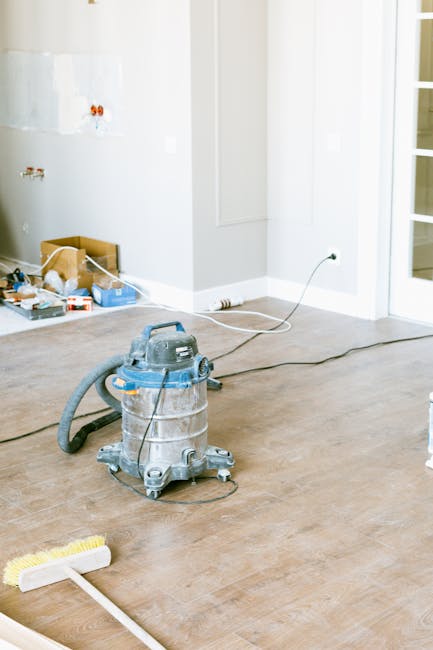
Common builders cleaning problems in Kennington and fixes

Fresh plaster dust on the skirting boards, a hazy film on the windows, paint splashes on the floor, and fine grit in every awkward corner - if you've just finished a refurbishment, you'll know the feeling. Builders cleaning sounds straightforward until you're standing in the middle of the mess wondering where to start. This guide to Common builders cleaning problems in Kennington and fixes breaks down the real issues people face after building work, explains why they happen, and shows you how to tackle them properly without making a bigger job for yourself.
Whether you've had a kitchen updated, a flat repainted, or a larger property renovation, the goal is the same: remove dust, residue, and trade marks safely, thoroughly, and in the right order. Kennington properties can be especially fiddly too - Victorian details, older sash windows, mixed flooring, and tight access all add a bit of extra work. Let's face it, the last 10% of a build can feel like 90% of the stress.
In this article, you'll get a practical walkthrough of the most common mistakes, the best fixes, what tools help most, and when it makes sense to bring in a specialist after builders cleaning service or book a deep cleaning team. No fluff. Just proper, useful guidance.
Why Common builders cleaning problems in Kennington and fixes Matters
Builders cleaning is not just a "final tidy-up". It's the stage where the property starts looking finished, usable, and safe. If it's rushed, you can end up with scratched floors, smeared glass, trapped dust in vents, and residue left on brand-new fixtures. That is annoying at best and costly at worst.
In Kennington, the stakes can be a little higher because homes and commercial spaces often have a mix of old and new materials. One flat might have heritage-style woodwork, polished stone, and recently fitted uPVC. Another may have been converted with lots of tight edges and awkward joins. Each surface needs a different approach. One bad move with the wrong cloth or chemical, and you've got a mark that's hard to reverse.
There's also the human side of it. Building work already disrupts daily life. Dust gets on everything, and you may be trying to hand over a property, move tenants in, or simply get the family back home. A clean, calm finish matters because it restores normality. You can feel it the moment the place is properly done - the air smells clearer, surfaces look bright, and you're not wiping down the same shelf five times a day.
Expert summary: the biggest builders cleaning problems are usually not "too much dirt", but the wrong sequence, the wrong products, and the wrong expectations. Fix those three things, and most of the job becomes far more manageable.
How Common builders cleaning problems in Kennington and fixes Works
At its core, builders cleaning is a structured process of removing debris, fine dust, adhesive residue, paint splatter, plaster marks, and hidden grime after construction or renovation. It usually runs in stages because trying to clean everything at once is where people run into trouble.
1. Rough removal first
The first pass clears larger bits: offcuts, packaging, protective film, plaster crumbs, dust sheets, and loose debris. This stage matters because dragging grit across a surface is one of the fastest ways to scratch it. It sounds obvious, but in the rush to "make it look clean", people often start wiping too early.
2. Dust control and top-down cleaning
Then comes the fine dust. Builders dust behaves differently from normal household dust. It settles high first - on light fittings, ledges, door frames, tops of cabinets - and falls down as you move around. That's why top-down cleaning works best. Start high, finish low, and vacuum before you mop so you're not turning dust into paste.
3. Detail cleaning
This is where the hard work hides. Silicone around sinks, paint on sockets, adhesive on glass, grout haze, and fingerprints on chrome all need specific attention. There isn't one magic product for every surface, and that's the point people sometimes miss.
4. Final inspection and touch-ups
A proper builders clean includes a careful inspection. Walk the property slowly in daylight if you can. Morning light is unforgiving, but useful. You'll spot window smears, missed dust, and residue you wouldn't notice under artificial lighting. That little final sweep often separates a decent clean from a proper handover-ready finish.
Key Benefits and Practical Advantages
Getting builders cleaning right gives you more than a neat-looking room. It protects finishes, saves time later, and makes the space usable sooner.
- Better first impression: especially important for landlord handovers, sales viewings, or client sign-offs.
- Less damage risk: removing grit before it gets walked into carpets or across floors prevents scratches and wear.
- Cleaner air: fine dust can linger long after the builders have gone if it's not removed properly.
- Faster settling in: you can actually unpack, cook, work, or relax without constantly wiping surfaces.
- More accurate snagging: clean surfaces make defects easier to spot, so you can identify real issues rather than dust.
There's a practical money angle too. If you leave paint spots, plaster residue, or sticky film too long, they can harden and become harder to shift. In that sense, the best fix is often early action. A clean surface is usually a kinder surface.
For properties where carpets, rugs, upholstery, or hard flooring have picked up dust during the build, it can also help to combine the finish with carpet cleaning, hard floor cleaning, or window cleaning so the whole property feels properly reset.
Who This Is For and When It Makes Sense
Builders cleaning is not only for large renovations. It makes sense any time construction dust or trade residue affects a space you need to live or work in.
- Homeowners after kitchen, bathroom, loft, or extension work
- Landlords preparing a flat for tenants after remedial works
- Letting agents handling handovers after maintenance or refurbishment
- Office managers reopening a workspace after fit-out or repairs
- Builders and trades teams who need a final presentation clean before sign-off
It's usually worth booking specialist help when the clean needs to be fast, detailed, and consistent across multiple surfaces. If the job includes dust throughout a property, tricky access, or delicate finishes, a general tidy often isn't enough. You may need a broader one-off cleaning approach, or even a more targeted cleaning company with the right equipment and process.
One simple rule: if you find yourself saying, "I'll just wipe this later," half a dozen times, it may already be a bigger job than it looks.
Step-by-Step Guidance
Below is a practical order for dealing with the most common builders cleaning problems in Kennington and fixes. It's deliberately simple, because simple tends to work.
Step 1: Air the property and inspect safely
Open windows where possible, switch on lights, and check the space for obvious hazards such as loose screws, broken glass, or sharp offcuts. Builders cleans often include a bit of dodging around things you did not expect to see. Not glamorous, but necessary.
Step 2: Remove all loose debris
Pick up visible waste first. Bag it, sort it, and get it out of the way. If there's a lot of leftover material, a more substantial house clearance style service may be useful before the clean itself starts.
Step 3: Vacuum before wiping
Use a vacuum with a good filter to remove the finest dust from floors, edges, corners, and upholstered items. Vacuum skirting boards, vents, shelves, and the tops of picture rails if they've been exposed. Then vacuum again. Honestly, the first pass is rarely enough.
Step 4: Work from top to bottom
Clean light fixtures, tops of cupboards, door frames, and high ledges first. Then move to mid-level surfaces, then floors. This avoids dust dropping onto freshly cleaned areas.
Step 5: Use the right cleaner for each surface
Glass, stone, laminate, chrome, wood, and painted finishes all need different treatment. Use a neutral cleaner where possible and test in a hidden spot if you're unsure. Stronger is not always better. In fact, it often isn't.
Step 6: Tackle stubborn marks carefully
For paint specks, adhesive, or silicone smears, use the gentlest effective method. A plastic scraper, microfibre cloth, and patience will do more good than aggressive rubbing. If you're dealing with residue on delicate floors or fixtures, stop before you cause damage.
Step 7: Finish with floors and touch points
Once overhead dust and residue are gone, clean floors, handles, switches, taps, and other touch points. This is where a space starts to feel lived-in again. You'll notice it straight away.
Step 8: Recheck in natural light
Go back through the property and check windows, reflective surfaces, and corners. Builders dust loves hiding in plain sight. A final look with daylight on your side catches what artificial light misses.
Expert Tips for Better Results
These are the little habits that make a big difference.
- Use two cloths: one damp, one dry. That avoids spreading residue around.
- Keep fresh water nearby: cloudy water just re-deposits grime. It sounds basic because it is, and it matters.
- Change pads and cloths often: a dirty cloth can scratch polished finishes.
- Work room by room: it stops dust moving back and forth across the property.
- Protect delicate finishes: matte paint, untreated wood, and natural stone need extra care.
- Check edges and undersides: the tops of skirting boards, the underside of shelves, and the back of radiators are dust traps.
If carpets or upholstery were exposed during construction, it may be sensible to bring them in for upholstery cleaning, sofa cleaning, or rug cleaning after the main dust removal. Builders dust is sneaky; it settles where you sit, not just where you look.
Practical truth: the best builders clean is not the fastest one. It's the one that removes dust fully without creating scratches, smears, or hidden residue that comes back to haunt you next week.
Common Mistakes to Avoid
Most builders cleaning problems come from a handful of predictable mistakes. Avoid these and you'll save yourself a lot of hassle.
Cleaning too early
If trades are still sanding, cutting, or drilling nearby, dust will keep returning. Cleaning before the work is finished is a false start. You'll know it too - the windows look clean for about ten minutes.
Using harsh chemicals everywhere
Some people reach for strong products on every stain. That can damage seals, dull finishes, or leave streaks that are harder to remove than the original mark.
Skipping the vacuum stage
Wiping dusty surfaces straight away just drags debris around. Always remove loose dust first.
Ignoring hidden areas
Corners, behind doors, inside cupboards, extractor grilles, and window tracks often get missed. That's where the job starts looking unfinished, even if the obvious parts are done.
Using the same cloth for everything
One cloth can transfer grout, dust, grease, and cleaner residue from room to room. Separate cloths reduce cross-contamination and streaks.
Forgetting final checks
Builders cleaning without a final review is asking for trouble. It's the smudge you missed on the glass, or the dust line at the edge of the skirting, that gets noticed first.
Tools, Resources and Recommendations
You do not need a warehouse of equipment, but the right basic kit makes the job faster and safer.
| Tool or item | Best for | Why it helps |
|---|---|---|
| Microfibre cloths | General wiping and polishing | Lift dust well and reduce streaking |
| Vacuum with fine filtration | Dust, debris, edges, soft furnishings | Removes builders dust before it spreads |
| Soft brushes | Tracks, vents, corners, trims | Helps loosen dust without scratching |
| Neutral cleaner | Most finished surfaces | Safer for delicate materials |
| Plastic scraper | Paint flecks and residue | Can lift spots more safely than metal tools |
| Bucket with clean water | Rinsing cloths and controlled cleaning | Prevents residue build-up |
For more demanding jobs, a professional crew may also use specialist extraction or additional surface-specific methods. That's often where a deep cleaning service becomes worthwhile, especially if the build has affected several rooms.
If you're deciding whether to handle the work yourself or book help, ask three questions: How much dust is there? How many surfaces are delicate? How quickly does the place need to be ready? Those answers usually point you in the right direction.
Law, Compliance, Standards, and Best Practice
Builders cleaning itself is not usually the regulated part of a project, but the work still needs to be carried out responsibly. In the UK, good practice means paying attention to health and safety, proper waste handling, and the safe use of cleaning products.
Where dust, debris, and waste are involved, it is sensible to separate general waste from recyclable materials where possible and dispose of sharp or hazardous items carefully. If materials are left behind by contractors, make sure you know what they are before moving or bagging them. When in doubt, treat unknown residue cautiously.
Safe working also matters. Wet floors can create slips. Strong products can irritate skin or eyes. Dust can be unpleasant to breathe in. So basic protective measures - gloves, ventilation, sensible footwear, and careful handling of tools - are not overkill. They are just good sense.
It's also smart to check the company you use is transparent about its processes. Pages like health and safety policy and insurance and safety are useful signals because they show the business takes risk management seriously, not casually.
Best practice in builders cleaning is simple: protect the surfaces, protect the people, and do not leave a job looking finished when it isn't. Cleaners, builders, and property owners all benefit from the same thing - clarity.
Options, Methods, and Comparison Table
There are a few ways to approach builders cleaning, and the right choice depends on time, property type, and the scale of the mess.
| Approach | Best for | Strengths | Limitations |
|---|---|---|---|
| DIY clean | Small jobs and light dust | Lower upfront cost, flexible timing | Time-consuming, easier to miss detail, higher damage risk |
| General cleaner | Routine post-work tidying | Helpful for basic reset and touch-ups | May not be enough for heavy residue or multiple surfaces |
| Specialist after builders cleaning | Renovations, fit-outs, handovers | Structured process, better finish, safer for delicate areas | Costs more than doing it yourself |
| Combined service | Large refurbishments or messy properties | Covers dust, floors, windows, fabrics, and detailed touch points | Needs planning and coordination |
For many Kennington properties, the combined approach is the most realistic. A flat refit may leave glass, floors, and fabrics all needing attention at once. In those cases, it can be cleaner - pardon the obvious pun - to organise a broader package rather than piecing services together one by one. A window cleaning finish and a carpet treatment can make a freshly renovated space feel complete.
Case Study or Real-World Example
Here's a very typical scenario. A Kennington townhouse has had a kitchen refresh and some plaster repairs. The owners expect "a bit of dust", but once the contractors leave, they notice a chalky film on the cabinets, tiny white dots on the black handles, and a gritty feel underfoot near the hallway. The windows look dull from the outside, too.
The first instinct is to wipe the cabinets. That makes the dust move around, and suddenly the cloth turns grey almost immediately. Not ideal. The better fix is to vacuum the whole area first, then clean from top to bottom, then treat the handles and glass separately. The floors come last, after the fine dust is gone. If there are fabric chairs in the kitchen, they may need a gentle textile refresh as well.
By the end, the biggest difference isn't dramatic in a flashy way. It's quieter than that. The room feels settled. The white surfaces look white again. The black handles actually shine. And you stop noticing dust on every breath. That's the moment builders cleaning has done its job.
Practical Checklist
Use this checklist before you call the job finished.
- All loose debris, packaging, and waste removed
- Dust cleared from high surfaces, ledges, and fittings
- Windows, mirrors, and glass panels checked for smears
- Paint spots, adhesive, and plaster residue treated carefully
- Floors vacuumed before mopping
- Corners, skirtings, vents, and tracks inspected
- Handles, switches, taps, and other touch points wiped
- Soft furnishings checked for dust or light contamination
- Bathroom and kitchen fixtures cleaned separately with suitable products
- Final walk-through completed in good light
If you can tick every box, you're in good shape. If not, the missing items usually show you exactly where the job needs more time.
Conclusion
Builders cleaning can look simple from a distance, but the real job is in the detail. The most common problems in Kennington are the same ones that crop up everywhere: dust that keeps returning, residue on new finishes, smears on glass, and hidden dirt in the awkward places. The fixes are straightforward once you follow the right order, use the right tools, and slow down enough to inspect properly.
Truth be told, the best results usually come from patience rather than effort alone. Clean high to low, remove dust before wiping, treat delicate surfaces with care, and do a proper final check. That's how you avoid the "almost finished" look and get to a genuinely complete handover.
If the property has heavy dust, mixed materials, or a tight deadline, using a specialist can save time and reduce risk. For a smoother finish and less stress, it's worth speaking to an experienced cleaners team that understands post-build cleanup properly. The right help makes the whole process feel a lot less daunting, and a lot more doable.
Get a free quote today and see how much you can save.
At the end of the day, a freshly cleaned space should feel like a relief, not another project. And once the dust is gone, that relief is real.
Frequently Asked Questions
What are the most common builders cleaning problems in Kennington?
The most common issues are fine dust settling everywhere, paint splashes, adhesive residue, plaster haze on glass, and grit trapped in corners or floor edges. Older properties and mixed-material finishes often make these problems a bit trickier.
Why does builders dust keep coming back after cleaning?
Because it settles in layers. If you wipe too early or skip vacuuming, dust from higher surfaces keeps falling onto areas you already cleaned. That's why top-down cleaning is the better fix.
Can I use normal household cleaner after building work?
Sometimes, yes, but not for everything. Standard products may be fine for light marks, but builders residue often needs more careful, surface-specific treatment. A neutral cleaner is usually safer than reaching for something very harsh.
How do I remove paint splashes without damaging surfaces?
Start gently. Use a plastic scraper or soft cloth and test in an out-of-sight spot first. Never assume a stronger chemical will solve it faster; sometimes it just creates a bigger problem.
Do I need professional after builders cleaning for a small renovation?
Not always. If the work was limited and the dust is light, a thorough DIY clean may be enough. But if there's residue across several rooms, delicate finishes, or a quick handover deadline, specialist help is often the calmer option.
How long does builders cleaning usually take?
It depends on property size, the amount of dust, and how messy the work was. A light tidy can be fairly quick, while a full post-refurbishment clean takes much longer because of the detail involved. Every place is different.
What surfaces are most at risk during builders cleaning?
Polished floors, natural stone, glass, matte paint, chrome fittings, and soft furnishings can all be vulnerable if cleaned with the wrong tools or products. Delicate finishes need a gentler hand.
Should I clean before or after the builders finish completely?
After they finish completely. Cleaning too early usually means dust and debris come back. It's frustrating, but waiting until the work is fully done saves time in the long run.
Can builders cleaning include carpets and upholstery?
Yes, if those areas have been exposed to dust or light residue. In many cases, a combined finish with carpet care or upholstery care makes the property look and feel much fresher.
How do I know if a cleaning company is suitable for post-build work?
Look for clear information about process, safety, and insurance, and ask how they handle dust, delicate surfaces, and residue. A good provider should explain their method in plain English, not hide behind jargon.
Is builders cleaning different from deep cleaning?
Yes. Deep cleaning is broader and often focuses on sanitising and refreshing an already occupied space. Builders cleaning is more about removing construction dust, marks, and leftover trade residue in a structured way.
What should I do if I find damage during the clean?
Stop and document it rather than trying to scrub through it. Sometimes a mark is actually a coating issue or a surface defect, not dirt. A careful check before and after the clean is always wise.