Deep Cleaning in Kennington

Deep Cleaning Kennington provides a thorough deep cleaning service for homes and workspaces that need more than a routine tidy. The service is designed for properties where built-up dust, grease, limescale and general wear have collected over time, and where a detailed clean is the right next step. It covers the sort of work that reaches into corners, fixtures and busy surfaces, helping the property feel properly refreshed rather than simply lightly cleaned.
We focus on the tasks that usually take the most time when they are done well: scrubbing, descaling, polishing, removing residue and paying attention to neglected areas. A deep clean can be useful before a move, after a period of heavy use, or whenever a home or office needs a more exacting standard of finish. If you are comparing options, our approach is practical and targeted, with the work shaped around what the property actually needs.
For a straightforward start, you can request a quotation once you know the rooms, surfaces and areas that matter most. If you already have a priority list, we can work from that and keep the focus on the rooms or fixtures that need the deepest attention first.
What our deep cleaning covers
Detailed surface and fixture cleaning
A deep clean is broader than a weekly or fortnightly visit because it deals with built-up grime as well as visible dust. The work often includes skirting boards, switches, door frames, shelving, ledges and other places that are easy to miss during everyday cleaning. In kitchens and bathrooms, the process may also involve grease removal, limescale treatment and more exact cleaning around taps, splashbacks, sinks and appliances.
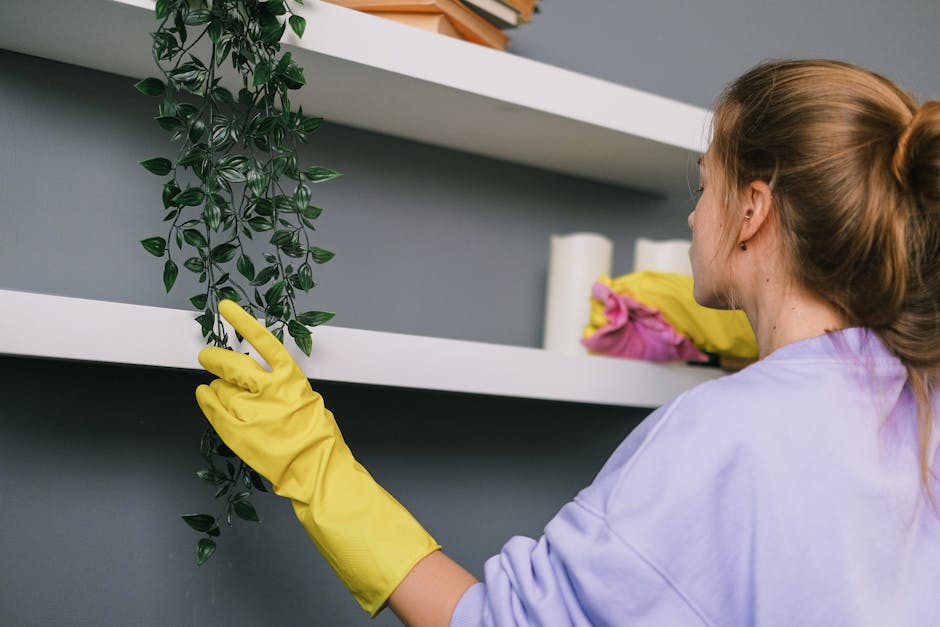
This type of service is especially useful when surfaces have lost their brightness, when corners look dull, or when residue has accumulated in places that receive regular use. We pay attention to edges and joins because these areas often show the biggest difference after a proper clean. A thorough finish also helps the property look more even, since neglected spots can make an otherwise tidy room feel unfinished.
In many homes, the most noticeable change comes from combining several small tasks into one methodical clean. That may include wiping high-touch points, clearing dust from awkward spaces and treating marks that do not shift with a quick pass. The aim is not to overstate the result, but to provide a careful and orderly clean that restores a better standard of presentation.
Rooms and features often included

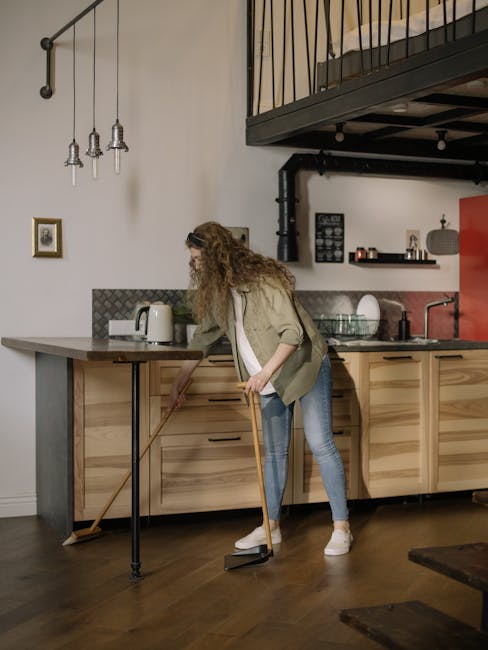
Kitchen deep cleaning usually takes the most time because cooking areas gather grease, food residue and steam marks. The work can include cabinet fronts, worktops, splashbacks, sinks, taps, hobs and accessible appliance exteriors, with close attention to corners and handles. Bathroom deep cleaning places more emphasis on descaling, sanitising contact areas and improving the appearance of tiles, screens, basins, toilets and fittings where moisture has left marks or buildup.
Living spaces and bedrooms are often treated with a different rhythm. Here, the emphasis may be on dust removal, wiping surfaces, addressing marks on furniture exteriors and improving the general finish of shelves, frames and other hard surfaces. If the property has a lot of fitted storage, decorative ledges or mixed finishes, the work needs a steady pace and the right products for the surface. Not every room needs the same treatment, so the plan should reflect the room’s use.
Windows, internal glass, mirrors and some external-facing features can also be part of the service when they are within reach and form part of the agreed clean. The value of a deep clean often lies in these practical decisions: which areas need detailed treatment, which surfaces need only a light wipe, and where extra care is needed because of finish, texture or access. That is why a clear scope matters before the work begins.
Why customers choose a deeper clean
When a standard clean is not enough
There are many situations where a routine clean is simply not enough. Properties that have not been cleaned thoroughly for a while, spaces that have seen heavier use, and homes preparing for a change in occupancy often need a more intensive approach. A deep clean can also be helpful after building work, during seasonal refreshes or when a property has fixtures that collect dust and residue more quickly than expected.
The main difference is depth of attention. Rather than stopping at visible surfaces, deep cleaning reaches into areas that affect how the whole room feels: behind items, around fittings, across edges, and in places where build-up creates a dull finish. The work can support a better standard of presentation for residents, landlords, tenants or teams using the space, without pretending to be a repair, restoration or refurbishment service.
Where the property has mixed materials, the choices matter. Some surfaces need non-abrasive treatment, while others can take more direct cleaning. A careful service helps avoid unnecessary wear. In this sense, the benefit is not only visual. It is also about handling the property sensibly, using suitable methods and focusing effort where the difference is most needed. That balance of detail and restraint is a key part of a good deep clean.
Planning the work and setting priorities

Before a deep clean, it helps to decide which rooms and surfaces should take priority. Some customers want the kitchen and bathroom first, while others need a whole-property refresh with extra focus on floors, doors and touchpoints. Clear priorities make it easier to shape the clean around the property’s condition and the time available. They also help avoid spending effort on low-value tasks when one area clearly needs more attention than another.
Useful preparation is usually simple: clear personal items from surfaces where possible, make access easy and note any fragile finishes or special concerns. If there are rooms that need careful handling, it is sensible to mention them early rather than leaving assumptions to chance. For example, a property may have delicate worktops, older fittings or fixtures that should only be treated in a certain way. Practical information like that helps the clean stay accurate and safe for the surfaces involved.
Two short CTAs are often enough. First, think through the rooms you want included and the level of detail needed. Second, if you are ready to move forward, ask for a quotation with the main spaces listed clearly. A concise brief usually makes the next step simpler and keeps the discussion focused on the work itself.
Deep cleaning for different property types
Deep cleaning is useful across different kinds of property, but the emphasis changes depending on how the space is used. In a home, the work often centres on kitchens, bathrooms, living rooms and bedrooms, plus the small details that build up over time. In offices or other workspaces, the focus may shift toward shared areas, reception points, meeting rooms, kitchens and surfaces that receive repeated contact throughout the day.
Some spaces need a broad clean because they are occupied heavily; others need a more selective service because only certain areas have become difficult to keep on top of. This is why it is worth matching the clean to the property rather than treating every job the same. A well-planned deep clean can be concentrated and efficient, or it can be more evenly spread across the property if the overall standard needs lifting throughout.
Different finishes also affect the work. Glossy units, natural stone, tile grout, polished floors and upholstered items all need suitable treatment. The point is not to do everything in the same way, but to use the right method for the right material. That is the difference between a generic tidy-up and a proper deep clean that takes condition, surface type and intended use seriously.
Extra services that complement deep cleaning
Where it is relevant, customers sometimes combine deep cleaning with related services such as one-off cleaning, domestic cleaning or house cleaning. These pages help explain different service patterns, but the practical point is simple: some properties need a single intensive visit, while others benefit from a more regular cleaning arrangement after the initial reset has been completed. Choosing the right starting point can save time and keep expectations realistic.
For harder-to-clean items or surfaces, separate attention may be useful. That can include oven cleaning, carpet cleaning or upholstery cleaning where the condition of those items shapes the overall result. These are distinct tasks, and they are not interchangeable with a general deep clean. The best option depends on which parts of the property are holding the most dirt or visible wear.
Customers also sometimes look at hard floor cleaning or window cleaning when floors or glass need more than standard wiping. It is often helpful to think of the service in layers: the general deep clean handles the overall property, while specialist tasks address specific surfaces that need more focused care. That makes the final scope clearer and more useful.
Pricing factors and quotation details
Deep cleaning quotations are usually shaped by the size of the property, the condition of the rooms, the level of detail required and any special surfaces or features that need careful treatment. A compact flat that only needs a targeted refresh is very different from a larger property with more fixtures, more buildup and a wider range of materials. Access, parking, and the amount of furniture or equipment in place can also affect the time needed.
It helps to be specific about what you want included. If the job centres on kitchens and bathrooms, say so. If you need a full-property clean with attention to doors, skirting boards and internal glass, make that clear too. The more accurate the outline, the easier it is to judge the scope of work. This is not about inflating the task; it is about making sure the quotation reflects the actual clean that is needed.
Where the work is more involved, a written outline can help avoid confusion. The best enquiries normally name the property type, the number of rooms or key spaces, and any areas that need particular attention. That gives a clearer basis for planning and helps keep the service focused on what matters most rather than on unnecessary extras.
About Kennington
Kennington is an inner district of south London with a long association with the River Thames and the historic settlements that grew up along its southern edge. It sits within the London Borough of Lambeth, with parts also closely linked to the borough boundary with Southwark, and its character reflects both older streets and later urban development. The area is known for its mix of Georgian and Victorian terraces, post-war housing and civic buildings, which together create a varied streetscape rather than a single uniform centre. Kennington Park is one of its best-known open spaces, and its origins lie in land that was once part of a larger common before being reshaped for recreation in the nineteenth century. The district also contains Kennington Oval, widely recognised for international cricket and for the open green setting that stands out amid the surrounding city. Religious and historic buildings add further interest, including the distinctive radial plan of St Mark’s Church, a notable example of nineteenth-century church architecture. The area has good transport connections and sits near central London, yet it keeps a distinct local identity through its squares, terraces and residential streets. Its position between larger neighbourhoods means it has often been shaped by movement, planning and change, but it still retains pockets of calmer domestic scale. Taken together, these features give Kennington a strong sense of place: urban, layered and closely tied to London’s wider history while remaining recognisably its own district.
After-build work and more specialised tasks
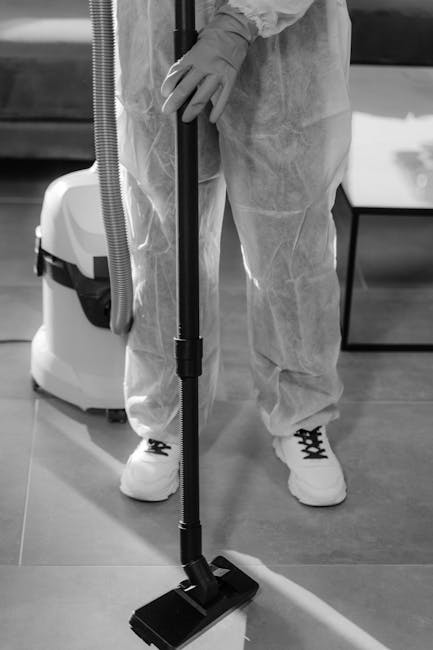
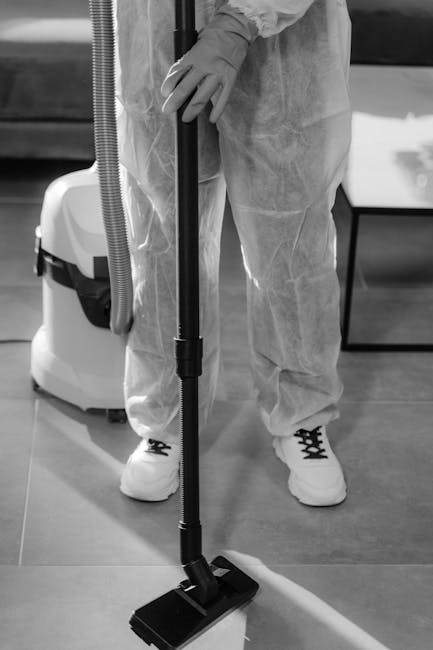
Some customers need deep cleaning after decorating, fitting work or general property improvements. In these cases, the job may involve removing dust, light residue and surface marks left by the process rather than the kind of everyday dirt found in occupied rooms. That is where after builders cleaning can be a more suitable match, because the work is shaped around the traces left behind by building activity. A general deep clean can overlap with this, but the tasks are not identical.
Specialist tasks may also be relevant when a property contains items that need extra care. For example, sofa cleaning and rug cleaning can help where soft furnishings have taken on dust or marks that affect the room’s appearance. Meanwhile, carpet cleaner and carpets cleaner pages represent different ways of describing carpet care on the site, and they may be useful if floor coverings need closer attention as part of a broader reset.
It is worth separating what can be done as part of the main visit from what needs a more focused treatment. That keeps the plan sensible and avoids assuming that every surface, item or material should be treated in exactly the same way. A good quotation should reflect that distinction, especially where the property combines hard surfaces, soft furnishings and high-use areas that all age differently.
Arrange your deep clean

When you are ready to move from planning to action, the simplest next step is to request a quotation with the rooms, fixtures and priority areas listed clearly. If you are comparing possible approaches, it can also help to look at pricing and quotes so you understand how the service is framed before you decide what to include. That keeps the conversation practical and tied to the actual condition of the property.
Deep Cleaning Kennington is set up for customers who want a more exacting clean without unnecessary complication. The service is broad enough to cover a substantial reset, but focused enough to stay useful for homes, offices and similar spaces where detail matters. If you already know the key rooms or items, mention them when you enquire; if not, start with the main areas and build from there. Either way, a clear brief makes the quotation process easier.
For a final step, send through the main details and ask for a quotation in plain terms. Contact us when you are ready, and we can take the next stage from there.