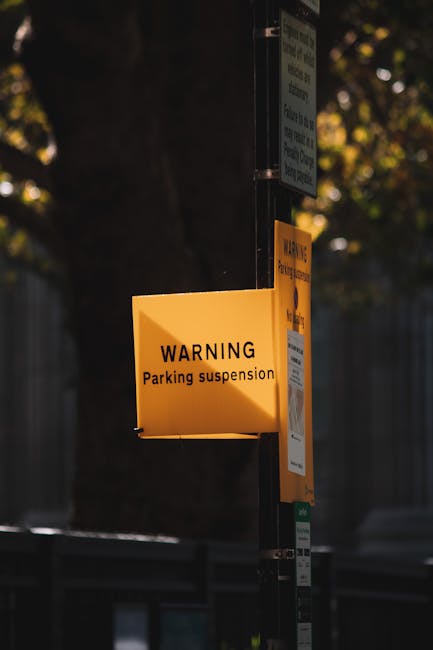
Permits and street cleaning restrictions in Kennington SE11: a practical local guide
If you live, work, or park regularly in Kennington, the small print around permits and street cleaning can make a surprisingly big difference. One day your car is fine where it always is; the next, a restriction notice or cleaning schedule means you need to move it fast. That is the reality of Permits and street cleaning restrictions in Kennington SE11, and it catches people out more often than you'd think.
This guide breaks the topic down in plain English. We will look at how permit systems usually work, why street cleaning restrictions matter, what to check before you park, and how to avoid the usual headaches. If you're trying to keep life simple in a busy London postcode, a bit of planning goes a long way. Truth be told, it can save you a lot of stress.
For readers who need broader support around keeping a property in order, services like deep cleaning, end of tenancy cleaning, and house cleaning can also help when parking, access, or timing is tight. Not because they solve permits, obviously, but because local logistics often go hand in hand.
Table of Contents
- Why Permits and street cleaning restrictions in Kennington SE11 Matters
- How Permits and street cleaning restrictions in Kennington SE11 Works
- Key Benefits and Practical Advantages
- Who This Is For and When It Makes Sense
- Step-by-Step Guidance
- Expert Tips for Better Results
- Common Mistakes to Avoid
- Tools, Resources and Recommendations
- Law, Compliance, Standards, or Best Practice
- Options, Methods, or Comparison Table
- Case Study or Real-World Example
- Practical Checklist
- Conclusion
- Frequently Asked Questions
Why Permits and street cleaning restrictions in Kennington SE11 Matters
On paper, parking restrictions can look like a nuisance. In real life, they shape your day. In Kennington SE11, where roads can be narrow, parking pressure is constant, and street cleaning has to happen efficiently, the difference between a smooth morning and a frustrating one may come down to a sign you did not notice.
That matters for a few simple reasons. First, permit rules help manage limited road space. Second, street cleaning restrictions give crews room to do their work properly, which keeps roads tidier and reduces blocked gullies, leaf build-up, litter, and general grime. Third, if you ignore the restrictions, you may face a penalty, and nobody enjoys finding that yellow envelope tucked under the wiper in the rain. Been there, done that, not fun.
For residents, the main issue is predictability. For visitors, it is clarity. For anyone organising trades, removals, or cleaning work, it is timing. And for landlords or managing agents, it is risk control. A missed restriction can delay access, create complaints from neighbours, or add avoidable cost.
Practical takeaway: in Kennington SE11, parking is not just about finding a space. It is about reading the space correctly, checking the time window, and planning around cleaning or permit rules before you leave the car.
That sounds simple, and it mostly is. But the devil sits in the details, as it often does with London street rules.
How Permits and street cleaning restrictions in Kennington SE11 Works
Permits and street cleaning restrictions usually work together, even though they serve different purposes. A parking permit system controls who may park in certain bays or zones. Street cleaning restrictions control when a vehicle must move so the road can be cleaned safely and properly.
Permit basics in plain English
A permit is usually a document or digital record that allows a vehicle to park in a designated area for a set period or under specific conditions. In many London neighbourhoods, permit eligibility depends on whether you live there, own the property, rent it, or are visiting under a temporary arrangement. The exact rules can vary by road or bay type, so the sign always matters more than assumptions.
If you are dealing with a business vehicle, or you regularly have people visiting for work, it helps to keep a simple internal process. Office teams, for example, often combine parking planning with services such as office cleaning or office cleaners so that access, arrival times, and street restrictions all line up neatly. Little things. But they save a lot of back-and-forth.
Street cleaning restrictions explained
Street cleaning restrictions are time-based parking controls. They may mean no stopping, no waiting, or a requirement to leave the bay clear during scheduled cleaning periods. The reason is straightforward: a parked car blocks the sweep, and the road does not get cleaned properly if half the kerb is occupied.
In practice, the restriction may apply only on certain days, only at certain hours, or only in specific marked bays. Some roads are more sensitive than others because of traffic flow, collection access, or the amount of debris that tends to gather. After a windy night or a wet week, you will notice how quickly leaves and grit build up near kerbs.
What you should check every time
- The permit zone or resident parking bay marking
- The sign closest to where you intend to park
- The day of the week and exact time window
- Any bay suspension or temporary notice
- Whether the restriction is for all vehicles or only some vehicle types
Do not rely on memory alone. Seriously. One missed time plate can turn into a very unnecessary admin chore.
Key Benefits and Practical Advantages
Following the correct permit and cleaning rules is not just about avoiding penalties. There are some real day-to-day benefits, especially in a place like Kennington where parking is a competitive little puzzle.
- Less stress: you know where you stand before you lock the car and walk away.
- Lower risk of penalties: the obvious one, but still the big one.
- Better access planning: trades, deliveries, and cleaning visits can be timed more intelligently.
- Cleaner streets: restrictions make it easier for crews to keep the area presentable.
- Better neighbour relations: nobody enjoys a blocked road or a half-cleared kerb.
There is also a subtle benefit people forget: clarity. If you understand the rules well enough, you stop second-guessing yourself every time you park. That alone is worth a lot. The mental load drops, and that is no small thing in a busy London week.
For homeowners and tenants juggling household maintenance, pairing parking awareness with routine services like domestic cleaning or one-off cleaning can make scheduling simpler. Not glamorous, but practical. And practical wins, most days.
Who This Is For and When It Makes Sense
This topic matters to a surprisingly wide group of people. Some are obvious, some less so.
Residents
If you live in Kennington SE11, permit and street cleaning rules affect your regular parking routine. Even if you park on the same road every day, restrictions can change by zone or bay type, so staying alert is important.
Visitors and guests
Friends, family, carers, and short-term visitors often assume they can just "pop the car there for an hour." Sometimes yes. Sometimes no. A quick check saves awkward conversations later.
Landlords and tenants
If you manage a property, you will want clear parking guidance for occupiers and guests. It keeps people informed and reduces avoidable disputes.
Tradespeople and contractors
Builders, decorators, cleaners, removals teams, and installers all need access at predictable times. A road that is perfect at 10 a.m. may be a bad idea at 10:30. That is where street cleaning windows can be inconvenient, but also very manageable if planned early.
Small businesses and office managers
Businesses nearby may need recurring visits, deliveries, or cleaning services. Matching a cleaner's arrival window to parking realities makes operations smoother. For example, a team arranging after builders cleaning or window cleaning will often need to think about access and parking before the job even starts.
If any of that sounds familiar, then yes, this is for you.
Step-by-Step Guidance
Here is a simple way to handle permits and street cleaning restrictions without overcomplicating things. Use this process before every visit or parking decision if you are unsure.
- Check the exact street or bay. Do not assume the whole area has the same rules. One side of a road can differ from the other.
- Read the sign nearest your parking spot. The closest sign matters most. It is the one that usually governs the bay you are in.
- Look for days and times. Street cleaning restrictions are often time-sensitive. Make sure you know when the vehicle must be moved.
- Confirm whether a permit is needed. If the area requires resident, visitor, business, or temporary permission, sort that out before you rely on the space.
- Check for temporary changes. Roadworks, suspensions, local events, or emergency access can change the usual pattern.
- Plan a buffer. Arrive a little early or move the car a little early. Ten minutes can be the difference between calm and chaos.
- Set a reminder. A phone alarm for the end of the restriction window is not overkill. It is just sensible.
One useful habit is to take a quick photo of the sign when you park in an unfamiliar place. That way, if you need to check the time later, you are not relying on memory while half-distracted in a shop queue. It sounds a bit fussy. It works, though.
Expert Tips for Better Results
After dealing with parking and access issues for long enough, a few small habits stand out as genuinely helpful. Nothing dramatic. Just the kind of common-sense stuff that tends to save trouble.
Keep a "parking first" mindset
If a job depends on access, plan the parking before you confirm the rest. This is especially helpful for households booking services like end of tenancy cleaning or cleaners, where timing can be tight and the day already has enough moving parts.
Use short booking windows where possible
When a visit can be completed inside a manageable window, you lower the chance of clashing with street cleaning times. This is particularly useful in busy urban streets where parking space turnover is high.
Build in a backup plan
Sometimes the closest bay is unavailable, or a restriction sign is not what you expected. Have a second option in mind. Even a rough plan is better than wandering around with the engine idling and a growing sense of annoyance.
Respect the cleaning rhythm
Street cleaning only works if people cooperate with it. That is not just a compliance point; it is a community one. Keeping the road clear when needed makes the whole area look and feel better. Little win, but a real one.
Keep documentation handy
If you are eligible for a permit or visitor arrangement, keep the relevant details easy to find. A screenshot, confirmation email, or reference number can help if anything needs to be checked quickly.
And if you are organising more than one service at the same property, keep the schedule simple. Simplicity is underrated. Honestly, it is the secret weapon of anyone who wants fewer headaches.
Common Mistakes to Avoid
Most problems with parking rules are avoidable. The issue is usually not bad intent; it is rushing, assuming, or not reading the sign carefully enough.
- Assuming a permit is valid everywhere nearby: different bays can have different controls.
- Ignoring the exact time window: a few minutes can matter.
- Overlooking temporary suspension notices: these are easy to miss if you are in a hurry.
- Trusting old habits: "I always park here" is not a defence against a new restriction.
- Blocking cleaning access: this creates problems for crews and can lead to enforcement.
- Waiting until the day itself to sort permissions: last-minute arrangements are where things unravel.
There is another subtle mistake: not thinking about the human side. If you are arranging a cleaner, contractor, or delivery driver, and the parking window clashes with a street-cleaning restriction, everyone feels the pressure. The job can still happen, of course, but it becomes more fiddly than it needed to be.
So, check early. Then check again. Boring advice, maybe. Useful advice, definitely.
Tools, Resources and Recommendations
You do not need a complicated toolkit to handle this properly. A few simple things will do most of the work.
- Phone calendar reminders: good for street cleaning times and permit expiry dates.
- Camera or phone photos: useful for recording signs, bay markings, and any temporary notices.
- Short written checklist: ideal for visitors, family members, or staff who park regularly in the area.
- Property notes: if you manage a flat, house, or office, keep parking details with other local instructions.
When services are being booked, it can also help to align parking awareness with practical operations. For example, if you are arranging a cleaning company or ordering a specialist visit such as carpet cleaning, it is worth asking how access, timing, and parking should be handled before the day arrives.
Useful recommendation
If you are frequently affected by parking controls, keep one simple "arrival note" for visitors: where to park, what time to avoid, and what to do if the space is blocked. It sounds basic, but it reduces phone calls and awkward uncertainty. That kind of clarity is gold on a busy weekday morning.
Law, Compliance, Standards, or Best Practice
This is the part where people sometimes want a neat universal answer. There usually is not one. Parking permits and street cleaning restrictions are governed by local rules, road signs, and the specific control in place at that location. The important point is to follow the posted restriction that applies to the exact place where you park.
Best practice in a London area like Kennington SE11 is simple:
- read the sign in full, not just the bit that looks familiar
- assume time windows matter unless the sign clearly says otherwise
- do not rely on someone else's memory or verbal advice alone
- check for temporary notices before parking for long periods
- keep permit details current and easy to access
If you are a landlord, employer, or person responsible for arranging visits to a property, it is wise to give people clear parking instructions in advance. That helps with compliance and avoids confusion. For businesses arranging recurring work, policies such as health and safety policy, insurance and safety, and terms and conditions matter too, because parking, access, and site safety often overlap in real-world jobs.
To be fair, there is no prize for guessing. The safest approach is always to verify the restriction that applies on the day, in the exact location, before you leave the vehicle.
Options, Methods, or Comparison Table
People approaching this topic usually fall into one of a few practical camps: resident permit holders, visitor-parking users, short-stay visitors, or people who simply need to plan around street cleaning. Here is a simple comparison to make those choices clearer.
| Approach | Best for | Strengths | Watch-outs |
|---|---|---|---|
| Resident permit parking | People living on or near the street | Predictable and suitable for regular use | Usually tied to specific rules, zones, and validity periods |
| Visitor parking arrangements | Guests, carers, short visits | Flexible for occasional access | Needs planning and may not suit longer stays |
| Pay-as-you-go parking where available | Occasional visitors | Simple if the bay is available and permitted | Can still be restricted by cleaning times or local controls |
| Timed parking around street cleaning | Anyone parking briefly | Can work well if the schedule is known | Easy to get wrong if you assume the window is longer than it is |
If you are comparing options, ask one simple question: How often will this vehicle need to be here, and for how long? That answer usually tells you which approach makes the most sense.
Case Study or Real-World Example
Picture a small flat in Kennington SE11 on a weekday morning. A tenant has booked a deep clean after a short tenancy changeover, and the cleaner needs to unload equipment, move through the property, and get finished before the afternoon. There is also a street cleaning window on the same road.
At first glance, it looks manageable. But the cleaner parks without checking the sign properly and discovers the bay must be clear before the cleaning crew arrives. The cleaner has to move the vehicle, the schedule slips, and the tenant gets nervous because the handover is tight. Nothing disastrous. Just annoying in a way that wastes everyone's energy.
Now imagine the same job handled differently. The parking is checked the day before, the cleaner is briefed on the relevant restriction, and the arrival is moved 20 minutes earlier. The work still happens, the road gets cleaned, and nobody has to improvise in the rain. That is the real value of knowing the rules. It does not just prevent fines. It keeps the whole day calmer.
A similar pattern comes up with recurring jobs like oven cleaning, upholstery cleaning, or even facade cleaning where access and kerbside time need a bit of coordination. A small amount of planning can make the appointment feel almost effortless. Almost.
Practical Checklist
Use this checklist before parking or arranging a visit in Kennington SE11. It is short on purpose.
- Have I read the nearest sign, not a memory of the street?
- Do I know the exact day and time restriction?
- Is a permit needed for this vehicle?
- Have I checked for temporary suspensions or roadworks?
- Will the vehicle still be there during the street cleaning window?
- Have I allowed enough time to move the car if needed?
- Have I told visitors, cleaners, or contractors about the restriction?
- Do I know what my backup parking option is?
- Have I saved proof or a photo of the sign if needed?
- Is the plan realistic, not optimistic?
That last one matters. A lot of parking trouble starts with hopeful thinking.
Conclusion
Permits and street cleaning restrictions in Kennington SE11 are not especially glamorous, but they are part of everyday life in a busy London neighbourhood. If you understand the signs, plan around the time windows, and keep permissions organised, the whole thing becomes much easier to manage.
The basic formula is simple: check the sign, know the permit rules, respect the cleaning schedule, and leave a little margin for the unexpected. That small habit protects you from fines, reduces stress, and makes local access work more smoothly for everyone.
If you are organising a property visit, cleaning job, or regular household routine, a few minutes of planning now can save a lot of hassle later. And honestly, that is usually the best kind of local admin: the bit you do once, then quietly benefit from all week.
Get a free quote today and see how much you can save.
With a bit of care, the road outside your door feels less like a problem and more like part of a well-run day.
Frequently Asked Questions
What are Permits and street cleaning restrictions in Kennington SE11?
They are local parking controls that regulate who can park in certain places and when vehicles must move so street cleaning can take place. In practice, they help manage limited kerbside space and keep roads clear for maintenance.
How do I know if I need a permit in Kennington SE11?
Check the sign at the exact location where you want to park. Permit requirements can vary by bay, road, and time of day, so the nearest sign is the one that matters most.
Can I park during street cleaning hours if I am only staying a few minutes?
Usually not if the restriction says the bay must be clear during that time. Even a short stop can be enough to breach the rule, so it is safer to plan around the cleaning window.
What happens if I miss a street cleaning restriction?
You may receive a penalty or enforcement notice, depending on the restriction and local enforcement. The exact outcome depends on the situation, but the risk is avoidable with a quick check.
Are visitor cars treated the same as resident cars?
Not always. Some streets allow visitor arrangements or special parking permissions, while others are stricter. It is best to confirm before your guest arrives, especially if they are staying for more than a short visit.
Do street cleaning restrictions apply every day?
Not necessarily. They may apply only on certain days or at certain times. That is why it is worth reading the sign carefully each time rather than assuming the pattern stays the same.
What is the easiest way to avoid parking fines in Kennington SE11?
Take a photo of the nearest sign, set a reminder for the end of the restriction window, and check for temporary notices before leaving the vehicle. That simple routine prevents a surprising number of mistakes.
How do permits affect cleaners, tradespeople, or delivery drivers?
They can affect arrival times, unloading, and how long a vehicle can remain outside a property. If you are booking a service, share the parking rules early so the visit can be planned properly.
Can street cleaning restrictions change temporarily?
Yes. Roadworks, events, maintenance, or suspensions can change normal parking arrangements. Temporary notices are easy to miss, so a quick look before you park is always wise.
Is it worth planning parking before booking a local cleaning service?
Absolutely. If parking is tight or restrictions are time-sensitive, planning early makes the appointment smoother and reduces the chance of delays. That is especially true for larger jobs or time-limited visits.
What should landlords tell tenants about permits and parking?
They should explain any permit requirements, street cleaning windows, visitor rules, and where to find the relevant signs. Clear guidance at move-in saves a lot of confusion later.
What is the biggest mistake people make with these restrictions?
They assume the rules are the same as the last time they parked there. In a busy area, that assumption causes most of the trouble. Check the sign every time, even if you know the street well.