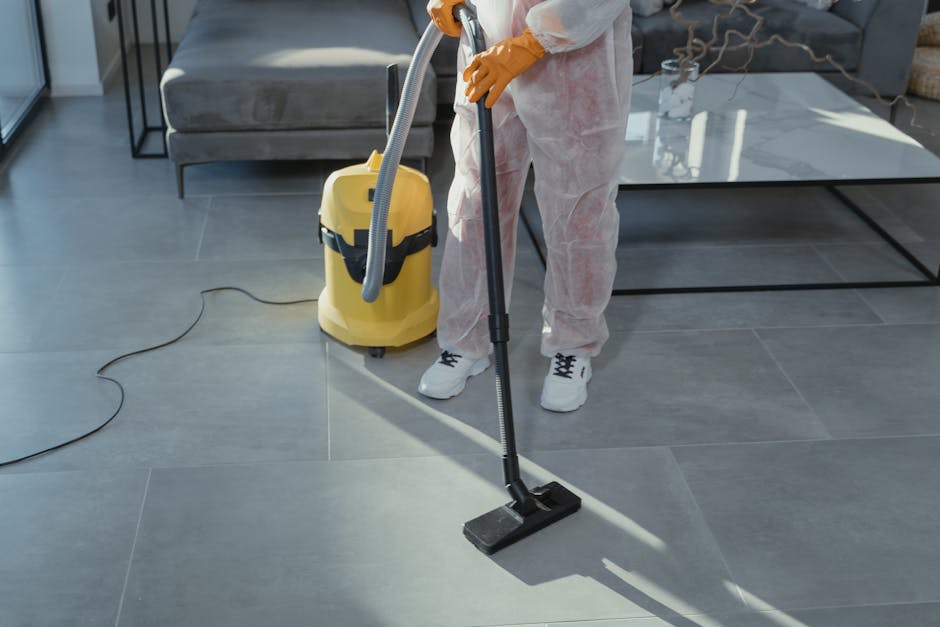
Real cost of deep cleaning in Kennington 2026 price guide
If you are trying to work out the real cost of deep cleaning in Kennington in 2026, you are not alone. Prices can look straightforward at first glance, then the little extras start creeping in: access, oven degreasing, carpets, bathrooms, whether the place is empty or lived-in, and how much work the cleaner will need to do once they arrive. Truth be told, that is where most people get caught out.
This guide breaks the pricing down in plain English. You will see what typically affects the quote, what a deep clean usually includes, where the value sits, and how to compare options without getting stung by hidden fees. If you want the clearest picture before booking, you are in the right place.
- Why this pricing guide matters
- How deep cleaning pricing works
- Key benefits and practical advantages
- Who needs it and when it makes sense
- Step-by-step guidance
- Expert tips for better results
- Common mistakes to avoid
- Tools, resources and recommendations
- Law, compliance and best practice
- Options, methods and comparison
- Case study or real-world example
- Practical checklist
- Conclusion
- Frequently asked questions
Why Real cost of deep cleaning in Kennington 2026 price guide Matters
Deep cleaning is not the same thing as a quick tidy, and it is not the same as regular domestic cleaning either. That sounds obvious, but it is exactly where confusion starts. A standard clean keeps things presentable. A deep clean goes after the built-up grime, the awkward corners, the scale around taps, grease around cooker hoods, dust behind appliances, and the bits you only notice when the sun comes through the window at 4pm and suddenly everything looks a bit grim.
For Kennington households, tenants, landlords, and small businesses, understanding price drivers matters because property layouts vary so much. A compact flat near the station, a Victorian terrace with more nooks and crannies, or a busy office with shared kitchens each needs a different amount of labour. If you only compare headline prices, you can end up choosing the cheapest quote and paying for it later in missed work, add-ons, or a rushed job.
There is another angle too. The real cost of deep cleaning in Kennington 2026 price guide is not just about money. It is about time, convenience, and stress. Are you preparing for a tenancy handover? Getting ready for guests? Recovering after renovation dust? In each case, the right clean can save hours of effort and a fair bit of frustration. To be fair, most people would rather spend the weekend doing something better than scrubbing skirting boards.
That is why a proper guide helps you make a cleaner decision, no pun intended. You can compare quotes on the same basis, ask better questions, and avoid the classic "why is the invoice higher than I expected?" moment.
How Real cost of deep cleaning in Kennington 2026 price guide Works
Deep cleaning prices usually come from a combination of labour, property size, condition, and specialist tasks. Some companies price by the hour, some by room, and some by fixed package. None of those models is automatically better. What matters is whether the quote reflects the actual work required.
In practical terms, a cleaner or cleaning team will usually look at:
- the number of rooms and bathrooms
- overall condition and how long it has been since the last deep clean
- kitchen intensity, especially ovens, extractor fans, and appliances
- flooring type, including carpets, hard floors, or mixed surfaces
- window access, balcony access, or awkward areas
- whether furniture needs moving or the property is empty
- parking or access restrictions in the local area
Kennington can add a few real-world wrinkles. Parking or loading access may be tight in some streets, and that can influence arrival time or the manpower needed. If a job involves stairs, top-floor flats, or narrow access, the team may need longer on site. Again, not dramatic, just life in London.
A strong quote should be transparent about what is included. Ideally it will say whether the service covers:
- inside cupboards
- appliance exteriors and interiors
- bathroom limescale removal
- skirting boards, doors, and frames
- high-touch points like switches and handles
- interior window cleaning
- spot treatment for stains or heavy build-up
If any of those are unclear, ask before booking. A vague quote is not a bargain. It is a guess, and guesses have a funny way of becoming expensive.
Key Benefits and Practical Advantages
The obvious benefit is cleanliness, of course. But the practical advantages go deeper than a nice-smelling room and a shiny sink.
1. Better results than a rushed DIY clean
Most people can clean well when they have time. The issue is time, energy, and equipment. A proper deep clean usually reaches places that get skipped in everyday life: behind radiators, under furniture edges, around taps, under cupboard lips, and in the greasy, slightly embarrassing corners of kitchens.
2. More predictable outcomes for rentals and sales
When a property is being handed over, the difference between "looks okay" and "clean enough for inspection" can be surprisingly big. A thorough service can reduce the risk of disputes, last-minute panic, or re-clean requests. That matters whether you are a tenant, landlord, or agent managing an empty flat.
3. Better hygiene and freshness
Deep cleaning helps remove residue that regular cleaning does not fully deal with. Kitchens feel fresher, bathrooms lose that dull film that creeps back, and soft furnishings can stop holding onto stale smells. You will notice it when you walk in, even if you cannot quite point to one thing.
4. Time saved, which is honestly the main thing for many people
Spending a whole Saturday on a detailed clean is no one's favourite plan. A professional team can compress a long list of tasks into a few focused hours. That can be a relief when you are juggling work, family, or a move.
5. Less guesswork about what needs doing
When you use a structured service, there is usually a clearer plan. That means less "should I also do the oven?" and fewer half-finished tasks left behind.
And yes, there is a feel-good element too. A properly cleaned flat or office just feels calmer. Less clutter in the corners. Less sticky. Less nagging sense that something needs doing. Small thing, but it changes the room.
Who This Is For and When It Makes Sense
Deep cleaning is not for every situation, and that is worth saying upfront. If your home is already maintained regularly, you may only need a one-off refresh or targeted help. But there are times when a proper deep clean makes very good sense.
It is often right for:
- tenants at the end of a tenancy who need the property to be left in strong condition
- landlords preparing a flat for new occupants
- homeowners after building work, decorating, or a renovation project
- busy families who want a seasonal reset
- people who have fallen behind on cleaning and need a reset, not a lecture
- small offices or studios that need a more detailed hygiene push
It is especially useful when:
- you are moving in or moving out
- you want to refresh a property before viewings
- you have had dust, debris, or packaging left from workmen
- you need help with hard-to-reach or neglected areas
- you want a cleaner start before switching to regular maintenance cleaning
There is a simple test. If the property needs more than "a good tidy" and less than "major restoration," deep cleaning is probably the right fit. If you are unsure, ask for a room-by-room scope. That will tell you quickly whether you need a full service or a smaller one-off clean such as one-off cleaning.
Step-by-Step Guidance
If you want a sensible way to approach pricing, use this sequence. It keeps things grounded and helps you avoid paying for things you do not actually need.
1. Define the property and the goal
Start with the basics: property type, number of rooms, condition, and why you need the clean. A move-out clean is not the same as a post-renovation clean. The cleaner needs to know the job before they can price it properly.
2. Identify the stubborn tasks
Make a list of the demanding parts: oven, inside fridge, skirting boards, limescale, shower screens, cupboard interiors, carpet spots, or upholstery marks. These items often affect the final quote more than people expect.
3. Ask what is included by default
This is where people save money. Not by cutting corners, but by understanding what the standard package already covers. For example, some providers include bathroom descaling, while others treat it as an add-on. Same for appliance interiors, windows, or carpet treatment.
4. Compare like with like
One quote might look cheaper, but only because it excludes things another provider includes. Compare the scope, estimated time, materials, and whether VAT is included if relevant. If one quote sounds suspiciously low, ask what has been left out. No shame in that.
5. Check access and practicalities
Think about parking, entry codes, lift access, and how easy it is to move between rooms. Little details can affect how long the job takes. They are not glamorous, but they matter.
6. Confirm the finish standard
Ask what "deep clean" means in practice. A good provider should be able to explain their process clearly. For example, will they clean behind appliances only if moved? Will they handle high fixtures? Are they bringing their own products and equipment?
7. Book with a realistic time window
A rushed clean is rarely a good clean. If the property needs serious attention, give the team enough time. That sounds obvious, but in the real world people often underbook because they are trying to save a few pounds. It usually costs more in the end.
Expert Tips for Better Results
Here is the part that tends to make the biggest difference, and it is not always the flashy stuff.
Be clear about priorities. If the kitchen is the nightmare zone, say so. If the bathroom is the issue, say that too. A cleaner cannot read your mind, no matter how polished the booking form looks.
Pre-clear clutter where you can. Deep cleaning is slower when surfaces are covered in items. Even a modest bit of tidying before the team arrives can save time and allow more attention on actual cleaning. There is no magic in that, just common sense.
Ask for product compatibility. Some surfaces need gentler treatment than others. Natural stone, delicate finishes, or older fixtures may need specific products. If you have concerns, mention them in advance rather than after the fact.
Combine services only if it makes sense. If you also need carpets, upholstery, or oven work, bundling can sometimes be efficient. For example, a deep clean paired with carpet cleaning or oven cleaning may be more practical than booking each task separately. That said, only combine services you genuinely need.
Check post-clean expectations. If the property will be inspected, viewed, or photographed, tell the cleaner. That changes where attention should go. Little things like polish marks, fingerprints on glass, or smudges on switches suddenly matter more.
Use seasonality to your advantage. A spring reset after winter or a pre-winter refresh before everyone is indoors more often can make the clean feel more worthwhile. In a damp week, for example, bathrooms and kitchens often show build-up faster. Funny how that always happens.
Common Mistakes to Avoid
Most deep cleaning headaches come from avoidable assumptions. Here are the ones we see most often.
Choosing only on price. Cheap quotes can be fine, but if the scope is vague, the end result may be poor. You do not want a bargain that turns into a second booking.
Not checking what "deep clean" includes. Different companies use the term differently. Some mean a detailed domestic clean; others mean a more intensive, top-to-bottom service. Ask for specifics.
Forgetting add-ons. Ovens, fridges, freezers, window interiors, and carpets are common extras. If you need them, list them early. If you do not, make sure they are excluded clearly.
Leaving too much clutter in place. Cleaners can work around items, but a crowded room takes longer and may not achieve the finish you expected.
Ignoring access issues. In Kennington, as with much of London, parking, entry, and timing can affect the job more than people think. A ten-minute delay is not the end of the world. Three such delays in a day, though, and the schedule gets messy.
Assuming every stain can be removed. Some marks are permanent or may require specialist treatment. Good cleaners will usually be honest about this. That honesty is worth something.
Not asking about insurance or policies. A trustworthy provider should be able to explain their service terms, insurance, and safety approach. If a company gets vague here, pay attention.
Tools, Resources and Recommendations
You do not need a warehouse of products to understand deep cleaning value, but a few basics help when you are preparing or checking a service:
- Checklist notes for rooms, fixtures, and problem areas
- Phone photos if you want to share the current condition before booking
- Measurements or room counts to help with quoting
- Access details such as entry instructions, parking notes, or floor level
- Appliance list if you need ovens, fridges, or washing machines included
For related services, it can help to look at specialist pages if the job is broader than a standard clean. For example, a property with heavy kitchen build-up may need deep cleaning plus appliance work, while a landlord reset might also involve end of tenancy cleaning. If the place has seen building dust, an after builders cleaning approach is often the better fit.
If you are comparing providers, look at how clearly they present their terms and service expectations. The pages on pricing and quotes, terms and conditions, and insurance and safety are the kind of pages worth reviewing before you commit. That is boring admin, yes, but boring admin saves headaches later.
Law, Compliance, Standards, or Best Practice
For domestic and commercial cleaning, the main concern is not usually a complex legal issue; it is good practice, safety, and clarity. A reputable cleaning company should be able to explain how it handles products, staff safety, and customer property.
Best practice usually includes:
- clear service scope and written confirmation where possible
- safe handling of cleaning chemicals and equipment
- appropriate insurance cover for the work being carried out
- transparent complaint handling if something goes wrong
- respect for privacy, access, and property security
If you are booking for a rented property, the practical side matters too. End-of-tenancy expectations can differ depending on tenancy agreements, inventory standards, and what the landlord or agent expects at checkout. There is no single magic rule that fits every tenancy, so it is wise to match the service to the agreement and the property condition rather than assuming a generic clean will do.
For offices, the bar can be a bit different again. Health and safety, access control, and timing around working hours matter. A good provider should know how to work around those constraints without turning it into a drama. If they cannot explain how they manage safety and security, that is a warning sign.
Also, look for plain-English policies. A company that takes accessibility, privacy, complaints, and payment security seriously tends to be more organised overall. Those things do not make the carpet cleaner, obviously, but they tell you a lot about how the business is run.
Options, Methods, or Comparison Table
Below is a simple comparison of common approaches so you can decide which one fits your situation. This is not about one being universally better. It is about matching the method to the property and the outcome you want.
| Option | Best for | Typical strengths | Watch out for |
|---|---|---|---|
| Hourly deep clean | Flexible jobs and mixed tasks | Adaptable, good for unusual properties | Costs can rise if the scope is unclear |
| Fixed-price package | Standard homes and planned moves | Easy to budget, simple to compare | May exclude awkward extras |
| Room-based pricing | Flats and properties with clear room counts | Easy to understand, practical for smaller homes | Condition may still affect the final amount |
| Specialist add-on cleaning | Ovens, carpets, upholstery, bathrooms | Targets the hardest jobs directly | Can become expensive if too many add-ons are needed |
In many real-world cases, the best value is not the cheapest single service. It is the one that includes the tasks you actually need and avoids unnecessary extras. That sounds simple because it is. The hard part is asking the right questions first.
If your property needs a broader refresh, consider whether a full house cleaning service or a more focused domestic cleaning plan would be more appropriate. If the work environment is the issue, an office cleaning approach may fit better than a residential package.
Case Study or Real-World Example
Here is a realistic example based on the sort of booking people request in Kennington all the time.
A tenant in a two-bedroom flat near the Oval area wants the property cleaned before handover. The kitchen has grease on the extractor hood, the bathroom has limescale around the taps, the skirting boards have dust build-up, and there are some marks on the carpets near the living room entrance. The flat is not filthy, but it has clearly had a full year of normal living.
At first, the tenant assumes a general deep clean quote should cover everything. Then they learn that appliance interiors, carpet treatment, and heavy limescale removal may be priced separately. Once the cleaner sees the full scope, the quote becomes more accurate, and the tenant can decide what to prioritise.
What changed? Not the amount of dirt, really. The understanding.
By separating the essentials from the nice-to-haves, the tenant books the right combination of services instead of paying for guesswork. The cleaner arrives with the right expectations, the job runs more smoothly, and the property is left in far better shape than a rushed last-minute scrub would have achieved.
If this sounds familiar, you are probably looking at the same kind of decision. Maybe the kitchen needs attention more than the bedrooms. Maybe the bathroom is the one area you cannot face. That is normal. A good quote should reflect that reality rather than pretending every property is identical.
Practical Checklist
Use this before you book. It keeps the process tidy, and tidy is underrated.
- Confirm the property type, room count, and approximate size
- List the areas that need the most attention
- Decide whether the oven, fridge, carpets, or upholstery should be included
- Ask exactly what is covered in the quote
- Check whether products and equipment are supplied
- Note access issues, parking, keys, or entry codes
- Ask how long the job is likely to take
- Check insurance, complaint handling, and payment terms
- Remove clutter where practical before the clean
- Clarify whether the job is for move-out, refresh, post-build, or another purpose
If you tick most of those boxes, you will be in a much stronger position to compare prices properly. Not perfect, just stronger. And that is usually enough to avoid the common traps.
Conclusion
The real cost of deep cleaning in Kennington in 2026 comes down to more than a simple headline number. It depends on the property, the condition, the included tasks, and the practicalities of getting the job done properly. Once you understand those factors, the whole process becomes easier to navigate.
For most people, the smartest move is not chasing the cheapest quote. It is comparing like with like, asking what is included, and choosing a service that fits your property and your deadline. That is how you avoid hidden costs and get a result that actually feels worth paying for.
Get a free quote today and see how much you can save.
And if you are still weighing up your options, that is fine too. A good cleaning decision should feel calm, not rushed. Sometimes the best result is simply knowing you have chosen well.
Frequently Asked Questions
How much does deep cleaning cost in Kennington in 2026?
There is no single fixed price because the cost depends on property size, condition, access, and the tasks included. A small flat with light build-up will usually cost less than a larger, heavily used home or a property needing specialist work such as ovens or carpets.
What is usually included in a deep clean?
Most deep cleans cover detailed work on kitchens, bathrooms, surfaces, skirting boards, door frames, switches, and hard-to-reach areas. Some services also include appliance exteriors, interior windows, and descaling, but not always, so it is worth checking the scope carefully.
Why do deep cleaning quotes vary so much?
They vary because no two properties are the same. Condition, size, layout, furniture, access, and extra tasks all affect the labour needed. One quote may also include more than another, so a lower price is not always better value.
Is deep cleaning worth it before moving out?
Yes, often it is. A thorough clean can help a property present well at handover and reduce the chance of disputes about cleanliness. It is especially useful when you are short on time or the place has built-up dirt in hard-to-reach spots.
How long does a deep clean usually take?
That depends on the property and condition. A compact, tidy flat may take a few hours, while a larger or more neglected property can take much longer. If a provider gives you a time estimate, make sure it is based on the actual condition, not just room count.
Do I need to be home during the clean?
Not always. Some customers prefer to be there at the start and end, while others arrange access in advance. If you are not present, make sure entry instructions, key collection, and security arrangements are clear.
Can deep cleaning remove all stains and marks?
Not necessarily. Many stains improve a lot, but some are permanent or need specialist treatment. A trustworthy cleaner should be honest about what is realistic rather than promising miracles.
Should I choose a fixed price or hourly rate?
Fixed pricing is useful when the scope is clear and you want budget certainty. Hourly pricing can work well for unusual jobs or properties with mixed priorities. The better choice depends on how clearly the work can be defined in advance.
Are carpets and upholstery included in a standard deep clean?
Usually not in full. They are often treated as separate specialist services, though some providers may bundle them into a larger clean. If you need them, ask upfront so the quote reflects the real job.
What should I ask before booking a deep clean in Kennington?
Ask what is included, what costs extra, how long the job will take, whether products are supplied, and whether the team has insurance. It also helps to ask about access requirements and whether the quote is based on the current condition of the property.
Is there a difference between deep cleaning and one-off cleaning?
Yes, often there is. One-off cleaning may be a broader occasional clean, while deep cleaning is usually more detailed and intensive. The exact meaning can vary by company, which is why it is sensible to ask for the task list rather than rely on the label.
What is the best way to keep deep cleaning costs under control?
Be specific about the scope, remove clutter before the cleaners arrive, and compare quotes on the same basis. If you only need certain areas tackled, focus the job there. A clear brief usually saves money and produces a better result.